The phone rings late, and on the various other end a sister explains her bro has been scheduled, bail is set at an amount the household can't cover, and arraignment is days away. I have taken variations of that require years. The details differ, yet the underlying problem coincides. Bond is a gatekeeper to freedom while a case relocates through the courts, and for many offenders, a bail bondsman is the sensible path with that gate. Understanding what a bondsman actually does, how the funds function, and where the challenges conceal can save money, time, and unnecessary stress.
What bail is implied to accomplish
Bail is not punishment. It exists to make certain a defendant returns to court and to protect the process from interruption while maintaining the assumption of innocence. Judges set bail based upon a number of variables, not just the charged violation. The nature of the claimed criminal offense issues, as do prior failures to show up, ties to the area, work, and often the security of real estate or family members assistance. In some jurisdictions, danger evaluation tools and local schedules influence the dollar number, but the court has discretion.
Cash bail, when called for, can be totally posted by the accused or a sustaining event. If the offender makes all needed appearances and abides by conditions, that cash money is returned at the end of the instance, minus court charges or penalties. When the amount is beyond reach, a business guaranty bond via a licensed bondsman ends up being the alternative. This is where individuals commonly misconstrue the economics and the commitments attached.
The core function of a bond bondsman
A bail bondsman issues a guaranty bond to the court guaranteeing the full bail quantity in behalf of an offender. In exchange, the customer pays a nonrefundable charge, commonly called the costs. The bondsman is backed by an insurance company that underwrites these threats. If the accused fails to appear and the court forfeits the bond, the bail bondsman and guaranty are accountable for the complete bond, unless they can return the offender to wardship within a time window set by law.
The value the bail bondsman offers is uncomplicated. They transform a big, short-term responsibility into a smaller, dealt with expense, which enables the defendant to be released and prepare a defense without being in prison. The tradeoff is the charge, which is not returned, also when the case resolves favorably.
In practice, an excellent bail bondsman does greater than file a bond. They verify details, evaluate flight risk, communicate with the court, and commonly remind customers of days and problems. When I have actually aided clients, the job has actually consisted of situating a missing out on paystub at twelve o'clock at night, calling a clerk to validate a rescheduled hearing, and locating a customer who confused two different courtrooms in the same building.
How the money works
Premiums differ by state. A common range is 8 to 10 percent of the bail amount. Some states set the price by statute. If the court establishes bail at 25,000 dollars and the price is 10 percent, the premium is 2,500 bucks. That cost makes up the bail bondsman and covers the price of underwriting and threat monitoring. It is not a down payment toward the bail. It does not come back at the end of the case.
Collateral is separate. If the customer is a higher danger, or if the bond is large, the bondsman may need collateral to protect the total. Collateral can be a lorry title, real estate with equity, jewelry with evaluations, or a cash down payment. Collateral is returned when the bond is pardoned, implying the case wraps up or the court releases the responsibility, supplied there are no unpaid charges or costs. When somebody calls me about collateral, I ask about liens, insurance policy, and whether all owners are willing to sign. I have actually seen a bond delay for days due to the fact that an automobile title had the incorrect name or a deed showed a home not totally in the signer's control.
Payment strategies prevail, however not ensured. A bondsman might accept a section of the costs upfront and spread out the balance over weeks or months. Authorization typically rests on work background, co-signers, and the regarded threat of the case.
Co-signers and their genuine responsibility
The co-signer, likewise called an indemnitor, is the person that takes financial obligation for the bond. They promise to guarantee the defendant appears in court and complies with conditions. They also debenture if the bond is surrendered. Many co-signers do not fully value that this is a binding responsibility. If the accused absconds and can not be returned within the legal window, the court will enter a judgment against the bond. The guaranty pays, after that transforms to the bondsman and the co-signer for reimbursement.
I have sat at kitchen tables explaining this risk to moms and dads and partners. The essential inquiries I ask are simple. How well do you understand the offender's habits? Do they have steady job or college? Any type of history of avoiding court? Can you realistically talk with them and encourage conformity? If the solutions are unsteady, the co-signer could require stronger security or a various strategy, such as awaiting a bail reduction hearing.
The timeline from apprehension to release
Booking sets things in motion. After finger prints and data entry, the jail will detail bail based upon the local routine or wait for accusation. In lots of counties, a bail bondsman can post a bond at any hour once bond is established. The speed of launch depends on the prison's processing ability. I have seen small facilities launch a person in under an hour and big metropolitan jails take six to 8 hours, especially on weekend breaks or after court closes.
The bail bondsman meets the co-signer, evaluates the instance, completes documentation, accumulates the premium and any collateral, then messages the bond. Most offices can finish whatever online. For out-of-state family members, this is frequently the only useful method. When published, the prison processes the release. The offender receives a court day and any type of conditions such as no-contact orders, traveling constraints, or check-ins.
Conditions of launch and why they matter
Bail is not almost cash. Problems can include keeping away from particular people or locations, screening for compounds, participating in therapy, or preserving work. Infractions offer the court grounds to revoke bail. A bondsman will commonly monitor conditions lightly, for instance with pointer calls or quarterly check-ins, due to the fact that an infraction that brings about remand puts the bond in jeopardy. In higher-risk situations, a bail bondsman may require the accused to grant general practitioner tracking or frequent call. I have actually had offenders complain concerning the aggravation, but a little structure can be the difference between making it to trial and landing back in custody.
Failure to appear, give up, and recovery
When a defendant misses out on court, the judge can release a bench warrant and begin the forfeit procedure. In many territories, the court gives a grace period to reserve the loss if the accused shows up quickly or has a legitimately excusable reason. Calendaring errors and transportation issues occur, and a fast contact us to the bail bondsman can sometimes fix the problem prior to it obtains expensive. If the defendant goes off the grid, the bail bondsman has both the right and the incentive to situate and surrender them. This can include knowledgeable recuperation representatives, frequently certified and managed, who track leads, examine addresses, and collaborate with law enforcement.
People image TV dramatization. The truth is extra paperwork and telephone call than foot goes after. The most effective recuperations occur with collaboration. Family members, dealing with the risk of shedding collateral, advise the offender to deal with the situation. A clean surrender reduces prices, maintains the court from going into a final loss, and protects the co-signer's assets.
Common misconceptions and where they go wrong
The greatest misconception is that a bondsman can negotiate the bail amount. Just the court can change bond. A bondsman can encourage a family members to look for a bond review hearing or refer them to a defense attorney that can submit the best activity, yet the rate, the quantity, and the conditions are inevitably the court's call.
Another myth is that hiring a bondsman injures the situation. Judges do not penalize accuseds for making use of a bond rather than publishing cash. What judges do notice is compliance. Showing up on schedule, adhering to orders, and staying out of trouble makes any type of future demand, like a reduction in bond conditions or authorization to take a trip, more probable to be granted.
A third mistaken belief is that a reduced costs implies a good deal. Reducing edges on underwriting or operating without correct support compounds danger. If a low-cost procedure breaks down mid-case, clients can end up captive unexpectedly. I have seen it happen when a little agency lost its guaranty relationship. Due persistance matters.
How to pick a bondsman with judgment
Not all bail bondsmans function the same way. The task is a mix of financing, logistics, and people abilities. A skilled bondsman checks out instances for risk, sets clear assumptions, and keeps interaction open with clients and the court. I recommend families to compare a few companies and look for straightforward, verifiable cues.
- License standing and guaranty backing. Confirm the certificate with the state regulator and ask which insurer backs the bonds. Trusted guaranties are an excellent sign. Transparent charges and written terms. Premium, layaway plan, collateral terms, and any type of add-on costs ought to be clear and in creating before posting. Availability and communication. The office ought to address quickly, describe timelines, and give certain next steps without obscure promises. Local court experience. Experience with the particular prison and courthouse frequently shortens launch times and minimizes preventable mistakes. Respectful therapy. If the agency stress you or glosses over your questions, take your business elsewhere.
Those five checks suit a solitary telephone call. I maintain them in mind when recommending good friends outside my region that need help quickly.
The interplay with protection counsel
A defense lawyer and a bondsman frequently meet at the exact same minute in a case, however they offer different purposes. Counsel suggests for reduced bail, fewer problems, and a stronger protection approach. The bondsman makes the existing bond inexpensive and convenient. Sychronisation aids. If a legal representative intends a rapid movement for bond decrease, it might deserve waiting a day as opposed to paying a greater costs on a larger bond. On the other hand, when a defendant dangers losing a job if they do not go out by morning, publishing very first and seeking a reduction later on may be the sensible choice.
I have actually taken care of cases where the attorney's phone call conserved a client thousands. In one, bond was set at 50,000 dollars on a nonviolent cost with strong community connections. The lawyer had actually a hearing scheduled the next mid-day and realistic premises for a decrease. We waited, the judge dropped bail to 15,000, and the costs decreased accordingly. The customer went out the very same day, yet with far much less cost.
Special situations that change the calculus
Not every bond appears like an uncomplicated post-and-release. Migration holds can avoid launch even if a state court accepts a bond, because government authorities might apprehend the individual separately. Safety orders can enforce housing limitations that complicate where an accused can go upon release. Out-of-state warrants can trigger a launch and immediate re-arrest on the other matter. Probation or parole holds can bypass bond entirely.
When these difficulties appear, an experienced bail bondsman will stop briefly. Uploading a bond that leads to no real launch does not assist anyone and can create conflicts over refunds for fees or costs. A careful review with the prison and, when feasible, with counsel, protects the customer and the co-signer from paying for a bond that yields no benefit.
What happens when the situation ends
At completion of the instance, whether by termination, appeal, or decision, the court vindicates the bond. The bondsman receives notice, shuts the file, and returns security after validating no outstanding costs. That last step can take a couple of days to a couple of weeks, depending upon the court's paperwork flow. I tell co-signers to keep copies of invoices, the bond number, and any kind of communication from the court. Clear paperwork rates everything.
If the accused complied throughout, there are no additional expenses. If the bondsman sustained expenses chasing a missed out on court day, those prices might be billed against collateral if the contract permits. This is another reason to favor an agency that clarifies its cost routine upfront. Surprises at the end of a stressful situation can sour an otherwise successful outcome.
How Bail Bonds match wider policy debates
The bail system is under examination. Numerous territories have actually decreased reliance on cash bond for low-level offenses, broadened pretrial solutions, or taken on risk-based launch. Doubters say that money-based release penalizes poverty and does little to anticipate court look. Fans of industrial bond highlight liability and the sensible requirement to ensure appearance. Both point of views include truth.
From the bail bondsman's vantage point, I see both the solution and the stress. When a trusted daddy of 2 is hung on a moderate bail for a novice violation, a prompt bond maintains a family members intact and a job secure. When a risky defendant cycles through multiple failings to appear, a stricter approach, whether with higher analysis or nonfinancial problems, makes good sense. The very best systems balance justness, safety and security, and functional reality. While plan evolves, people still need to navigate the guidelines that exist today. That is where clear info and constant assistance issue most.
Practical guidance for family members dealing with a first-time bail decision
The hours after an arrest feel disorderly. Slow down enough to make enlightened options. Begin by verifying the bond quantity and any holds. Call the prison or inspect the area's online inmate locator. As soon as you verify bail is set and there are no blocks on release, collect the essentials: full lawful name, reserving number, date of birth, the exact quantity of bail, and the following court day if readily available. Have identification all set and, if security is required, make sure the documentation is tidy. Titles have to match the owner's name. Realty needs recorded equity.
Focus on interaction. Share calendar suggestions. Usage text and e-mail to keep an eye on court days. If a day modifications, alert both the lawyer and the bondsman. In my files, one of the most costly issues usually began with a missed phone call or a presumption about a timetable that became wrong.
Costs you may not expect
Beyond the costs, some cases entail incidental expenditures. There might be prison costs to process the bond. Electronic monitoring, if called for, brings everyday costs. Traveling for a recuperation agent, if someone misses out on court, can end up being a billable cost under the contract. If a layaway plan is late, late charges can accumulate. None of these should be concealed. Request for a fee sheet and read the contract. I have seen smart clients save hundreds by catching a condition that would have punished very early payback or billed added for regular tips. Trustworthy companies maintain payment simple; complexity frequently disguises profit at your expense.
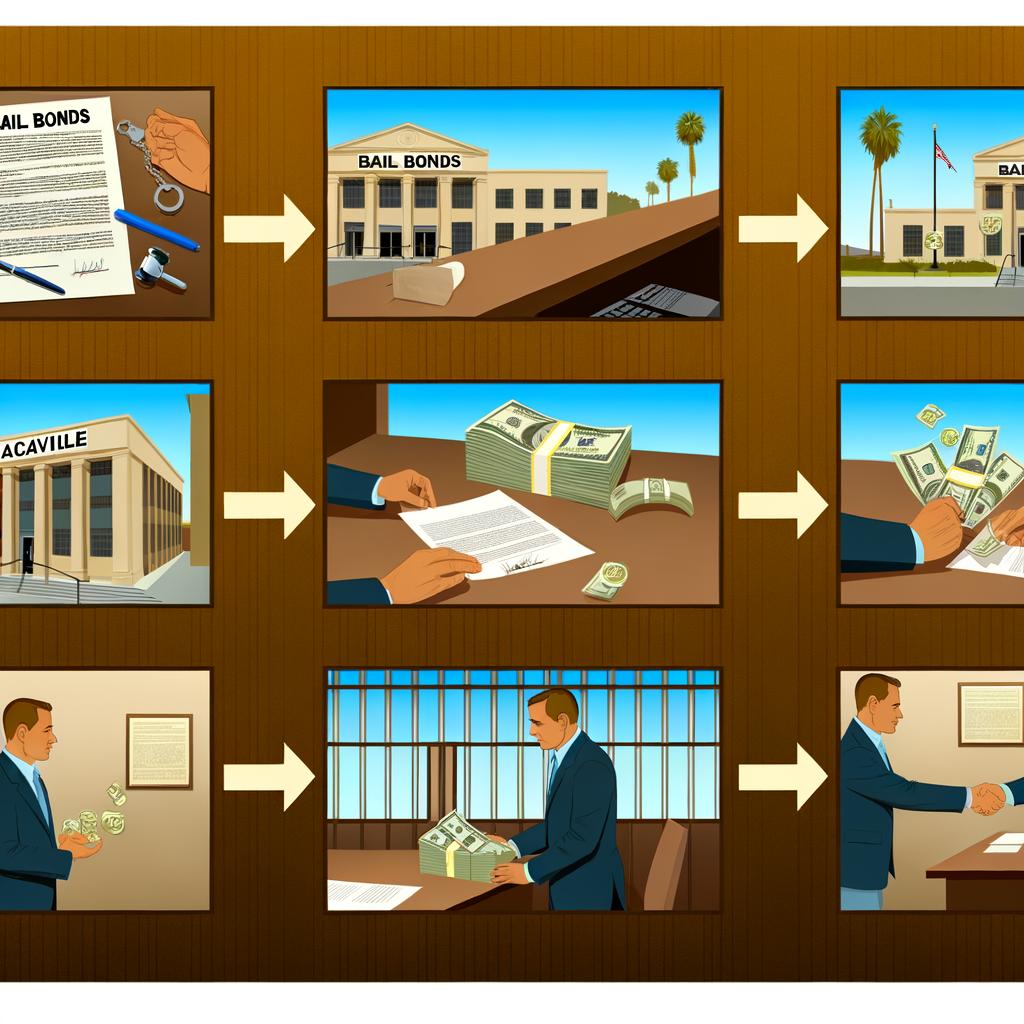
What a bondsman seeks when reviewing risk
Just as you review the bondsman, the bail bondsman assesses you and the defendant. The estimation involves 3 fundamental inquiries. How likely is the defendant to appear? Exactly how collectible is the data if something fails? How much control or influence can the co-signer apply? Variables that push threat up include prior failings to appear, weak neighborhood connections, unpredictable real estate, and serious charges with potential jail time. Variables that reduced threat include constant work, lasting local home, institution enrollment, and helpful family.
Sometimes a solitary detail shifts the choice. I when authorized a bond for a young man with no prior record and a tight-knit household, despite a fairly high bail. The clincher was a letter from his employer validating full time job and a willingness to accommodate court days. That sort of third-party stability speaks louder than assurances from a stressed out family member. On the other hand, I declined a bond where the offender had missed a misdemeanor court date 2 months earlier and had simply moved to the state. The co-signer intended to pledge an auto with an uncertain title. The mix added up to too much risk, and I advised them to seek a bail decrease instead.
When self-posting cash makes even more sense
There are circumstances where uploading cash bail without a bondsman is the smarter course. If the bond is reduced sufficient to manage and your territory returns funds without delay, the math prefers cash. If a defendant has no background of missing court and the case is brief, the possibility expense of tying up funds for a couple of weeks may be small contrasted to paying a costs you can not recover.
Consider liquidity and timing. Households occasionally drain pipes financial savings to upload money, after that have problem with rent or payroll. A premium spreads the price but makes it long-term. There is no solitary solution. Run the numbers and take into consideration the sensible timeline of the case. Ask guidance for a quote of how much time the situation will certainly take to solve. Offenses may wrap in a month or two. Felonies frequently stretch over numerous months or longer, specifically if there are movements or lab results pending.
Ethics, compliance, and the peaceful job you seldom see
Licensed bondsmen operate under rules that govern marketing, personal privacy, fee disclosure, and professional conduct. Great agencies purchase training personnel on those policies and on information protection. We take care of Social Safety and security numbers, economic records, and often delicate medical information linked to launch problems. Keeping that information safe is not optional. Another part of the task that hardly ever gets airtime is document reconciliation. Courts change days, staffs miskey case numbers, jails upgrade scheduling identifiers. A diligent bondsman maintains files synchronized to ensure that a missing out on number does not develop a bench warrant months later on. I when captured a transposed number on a situation data that would have set off a failing to show up notice, despite the fact that the customer showed up to every hearing. Quiet persistance avoided a waterfall of trouble.
The language of the contract, demystified
Bail bond agreements can check out like insurance coverage, loaded with terms that feel nontransparent. A few issue more than others.
- Indemnity. This stipulation mentions that the co-signer accepts repay the bail bondsman and surety for any losses, costs, and charges occurring from the bond. Collateral summary and release. This section should define what collateral is pledged, where it is held, and the conditions and timing for its return. Default and remedies. Try to find clear definitions of what constitutes default and what tips the bail bondsman may take, such as giving up the defendant or liquidating collateral. Privacy and interaction. Several contracts consist of authorization for get in touch with by phone, message, and email. Comprehend what you are authorizing. Fee schedule. Late fees, keeping track of costs, and healing costs should be detailed here.
If any type of part feels unclear, request plain language. A trustworthy bail bondsman can explain each clause without lingo. If they can not, that is a caution sign.
Where innovation aids and where it does not
Electronic trademarks and on the internet payment portals have actually made bonding quicker. E-filing with courts, where offered, trims hours off release times. Automated suggestions lower missed appearances. Those are real improvements. Innovation can not replace judgment, local relationships, or clear interaction under stress. I have found out to confirm automatic court feeds versus main dockets, specifically after holidays or weather closures, and to check that texts reach the appropriate number. Effectiveness helps, but precision maintains people out of handcuffs.
Final thoughts grounded in practice
A bail bondsman rests at a crossroads of regulation, financing, and human seriousness. When the phone rings, a family members needs 2 things: quick launch and trusted support. The craft is in stabilizing risk with compassion, framework with adaptability. If you recognize the function of bail, the business economics of the premium and collateral, the actual duties of a co-signer, and the functional steps from booking to exoneration, you can make choices that fit your scenario, not another person's assumptions.
Bail Bonds, as a service https://arthurufpc284.wpsuo.com/bail-bonds-and-public-records-what-shows-up and a market, load a specific function in the justice system. They are not a treatment for systemic issues, and they are not the villain of every difficult story. Used wisely, they supply a bridge that allows defendants to live, work, and prepare their instance while the wheels of the court turn. Utilized thoughtlessly, they intensify danger and price. Ask straight questions, maintain records, appear to every hearing, and choose experts that treat you like a companion as opposed to a purchase. That approach has actually carried even more of my customers home, and maintained them there, than any shortcut ever before could.
ABBA Bail Bonds 900 Avila St STE 101 Los Angeles, CA 90012 (213) 296-0901 https://abbabailbonds.com